-
 It’s time to celebrate, because next Tuesday, April 26th, is TCNJ’s official Celebration of Student Achievement Day! Please scroll down to see a schedule of events Art & Art History Department and Graphic Design students will be participating in, as well as other art-related presentations! Presenters and mentors are invited to a celebratory lunch in the AIMM Conference Room from 12-2pm! Support your classmates and be sure to visit these exciting presentations, and join in the open mural painting session in AIMM 102, open from 10-4pm! – A college-wide reception will be held on Sundial Lawn from 5-6pm. * Rain Space: Education 212 Check out all COSA events here! Anthology | Senior BFA Fine Art and Photography/Video Thesis Exhibition Presenters: Carly McKenzie, Andrew Serge, Caitlin Hackett, Heather Simpson, Ji-Yoon Han, Joe Om, John Linaris, Kailee Lockwood, Lauren Schweighardt, Luke Sulsenti, Mia Decker-Steckhahn, Ren Maclean, Shana Scavelli, Sarah Quiles Mentor: Elizabeth Mackie Location: AIMM Art Gallery Time: 2:15-3:15 pm and 3:30-4:30pm – Senior Projects in Design and Creative Technology Presenters: Giovanna Galina, David Kim. Celeste Krewson, Kira Edgar, Kaitlyn Walters, Christopher Marcantonio, Hadassah Green, Allie DelDuca, Patrick Merklee, Jack Brubaker, Dalton Hutchinson, Josh Shoenfelt, Jason Sekora Mentors: Chris Ault, Warren Buckleitner, Jason Alejandro Location: AIMM 202 Time: 12:30-2pm – Examining Grief in Contemporary Art from a Global Perspective Presenter: Ren Maclean Mentor: Dr. Deborah Hutton Location: Social Sciences Building 223 Time: 8:45-9:05am – Art Education: Lessons From Clinical Practice II Presenters: Hannah Coward, Julianna DiMeola, Renee Garzillo, Nicole Krok, Julia Pfaar, Julia Rogers, Alyssa Stachura, Morgan Sebasto, Megan Ziegel Mentor: Matthew Pembleton Location: AIMM Lobby Time: 9am-5pm – William Green House Virtual Artifact Gallery Presenter: Sapphire Srigley Mentor: George Leader Location: Social Sciences Building 227 Time: 9:15-9:35am – A History of Convenience: Inside the “Lives” of American Girl’s Black and Indigenous Book Characters Presenter: Lucy Fleischmann Mentor: Mekala Audain Location: Social Sciences Building 103 Time: 10-10:20am – Investigating the Longevity of Applied Patination on Contemporary Bronze Sculpture Presenter: Robyn Abrams Mentor: Dr. Carolina Blatt Location: Rec Center Time: 10-11am – Losing My Religion: Queerness in the Modern Renaissance Presenter: Lucy Fleischmann Mentor: Jayne Reinhard Location: Social Sciences Building 103 Time: 2:45-3:05pm – The Fluidity of Sacred Spaces: Use and Re-Use of the Parthenon and Hagia Sophia Presenter: Megan Healey Mentor: Dr. Lee Ann Riccardi Location: Bliss 151 Time: 3:30-3:50pm – Race, Gender, and the Visual Culture of Domestic Labor: Trade Cards and Postcards from the 1870s Presenters: Lucy Fleishmann, Sapphire Srigley, Phoebe Abeles, Sarah Adamo, George Kapetanakis, Abhishta Tantry Mentor: Satyasikha Chakraborty Location: Social Sciences Building 232 Time: 3:30-4:30pm – Rebranding Kern’s Club Soda Presenter: Xenia Huang Mentor: Warren Buckleitner Location: Mayo Hall Screening Room Time: 3:35-3:55pm – Is Walt Disney World Art? Presenters: Dylan Catania Mentor: Richard Kamber Location: Social Sciences Building 324 Time: 10:30-10:50am – Progress towards the Synthesis of Bulky Triisopropyl Substituted NNN Pincer Ligands and Coordination Complexes with Ruthenium and Palladium Presenters: Emily Podd, Alexis Luglio Mentor: Abby O’Connor Location: Brower Student Center 100 Time: 10-11am – Open Mural Painting — No experience required, all are welcome! Mentor: Dr. Carolina Blatt Location: AIMM 102 Time: 10am-4pmCelebration of Student Achievement 2022!!

About the Department
Find the creative inspiration—and build a practical foundation—for life in the arts. Options in art education, art history, and visual arts specializations in fine art, graphic design and lens-based art, develop conceptual and technical ability, allowing you to realize your potential for creative projects, artistic expression, and scholarly research. Under the close guidance of renowned faculty mentors, master your craft while grounding your work in theory and analysis of visual culture. Challenge yourself as a practicing artist in public projects—exhibitions and performances, scholarly papers and community workshops—that also prepare you for an arts career.
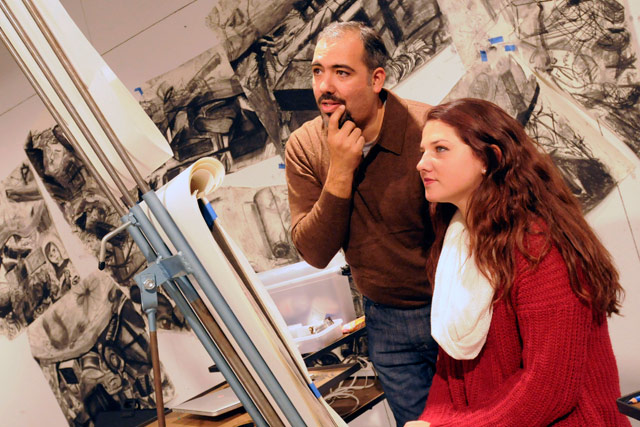
First Year Foundation
Choose a visual arts major for strong core courses taught by renowned artist-teachers.
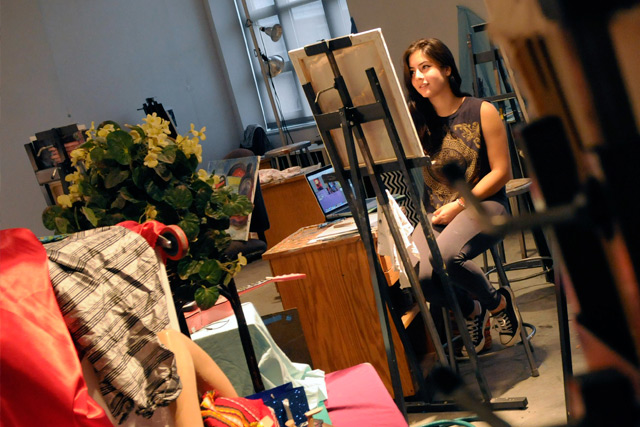
Great Spaces
Create, contemplate, and curate art. Great spaces—like our expansive AIMM Building—spark great work.
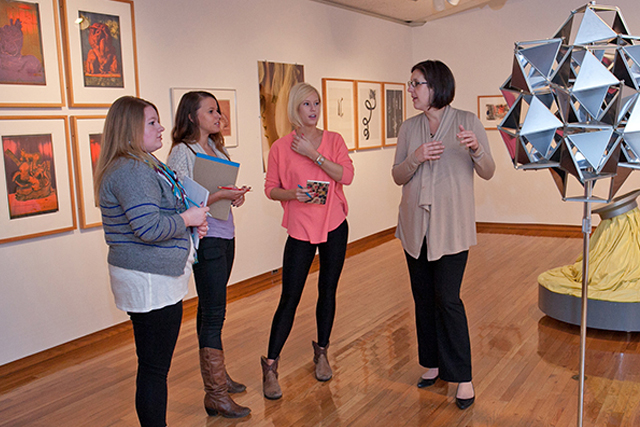
Global Perspectives
Cultivate a worldview with travel-study, an international faculty, and the NYC and Philly art scenes.
[twit_stream id="5"]