

About the Department
Design the machines that keep communities running—from automobile engines to nuclear reactors. Develop a theoretical foundation in the areas of energy and mechanics. Choose a specialty with faculty mentors as your guide and test your mettle in design competitions against other prestigious engineering schools.
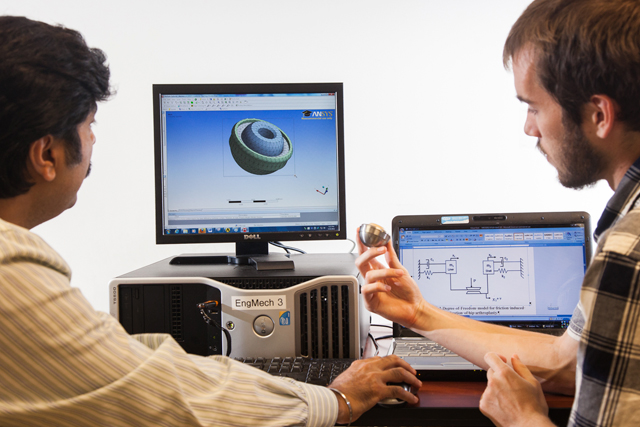
Mentored Research
Get hands-on in lab and field settings, collaborating on faculty-mentored research teams.
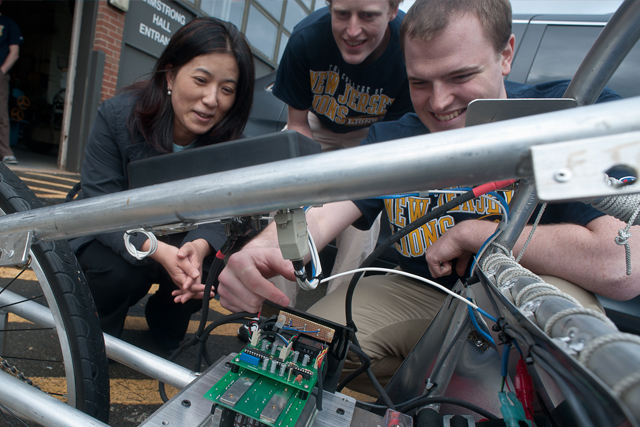
Expert Engineers
Tap into valuable research insights and experience from faculty immersed in both academia and industry.
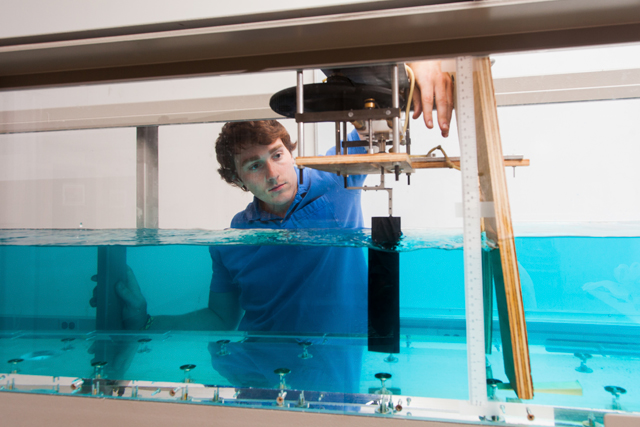
Test Your Skills
Take advantage of opportunities to apply knowledge beyond the classroom via internships and competitions.



Accreditation
The Bachelor of Science programs in Biomedical Engineering, Civil Engineering, Computer Engineering, Electrical Engineering, Engineering Science, and Mechanical Engineering are accredited by the Engineering Accreditation Commission of ABET, http://www.abet.org.