

About the Department
Unravel the laws and forces that govern the entire universe. Start with physics fundamentals before focusing on the area that most fascinates you: astrophysics, geophysics, biomedical physics, physics education, materials science, and more. Working closely with faculty mentors, students develop the kind of competencies—analytical and mathematical skills as well as problem solving, conceptual thinking, and teamwork—necessary for success in many careers.
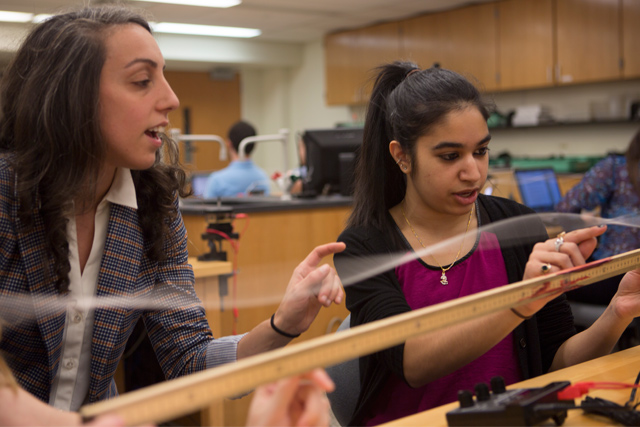
Close Contact Classes
Small, lab-based courses give you lots of contact with both professors and high-tech instrumentation.
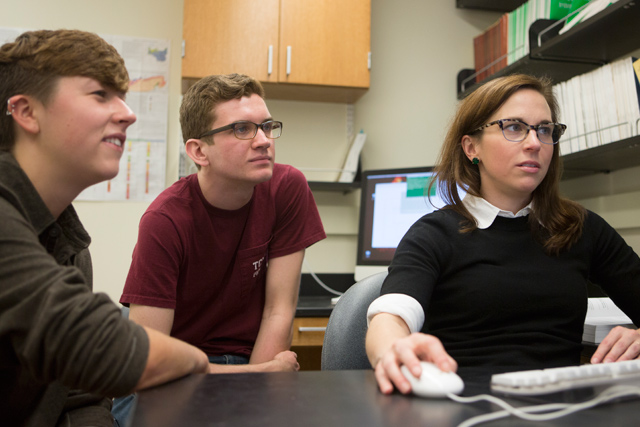
A Range of Research
Excellent labs and broad faculty expertise combine to accommodate the interests of nearly every student.
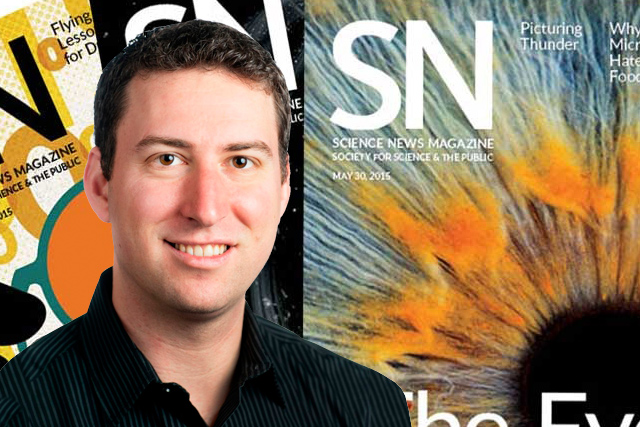
Not Just For Physicists
Who else holds a physics degree? Lawyers, doctors, journalists, engineers, teachers, executives—and more!
Contact
Physics Department
Science Complex, Room P123
The College of New Jersey
P.O. Box 7718
2000 Pennington Rd.
Ewing, NJ 08628